
A Returns Policy That Is Clear
I’ve spent eleven years watching consultants try to sell “automated logistics ecosystems” to founders who are currently sitting on a mountain of bubble wrap in their spare bedroom. It is absolute nonsense. You don’t need a $200-a-month software subscription or a complex decision tree just to figure out how to handle shipping and returns without losing your mind. Most of the “best practices” you read online are designed for companies with warehouse teams and dedicated COOs, not for someone running a business between client calls and pub quiz nights.
I’m not here to give you a theoretical framework or a slide deck full of useless diagrams. My promise is simple: I am going to show you how to build a system that works without draining your bank account or your sanity. We are going to focus on practical, manual workflows that you can set up, test, and refine in one single afternoon. By the time you finish reading, you’ll have a clear, numbers-driven plan to manage your parcels and your customers’ expectations without the enterprise-level headache.
Mastering E Commerce Fulfillment Strategies Fast

Stop looking for a complex warehouse management system. You don’t need a 12-month software implementation to get your orders out the door. Most small firms waste weeks researching e-commerce fulfillment strategies that require a team of five to manage. Instead, pick a single shipping aggregator—something like ShipStation or even just a dedicated account with your local carrier—and spend two hours setting up your packing station. Your goal isn’t perfection; it’s getting the box out the door by 4:00 PM so you can actually go home.
When it comes to the messy side of things, don’t get bogged down in “reverse logistics management” jargon. That’s just a fancy way of saying you need a place to put stuff people sent back. Grab a single plastic bin, label it “Returns,” and set it next to your desk. Once a week, on a Friday afternoon, go through that bin. Check the items, update your inventory, and process the refunds. If you try to do it piece-by-piece every time a notification pops up, you’ll never get your actual work done. Keep it contained, keep it scheduled, and keep moving.
Low Effort Automated Shipping Solutions
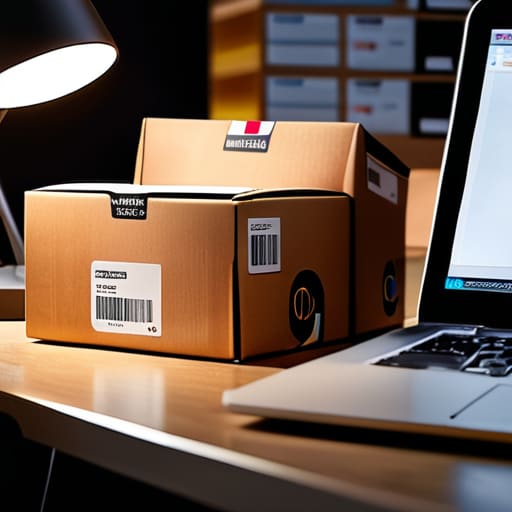
Stop trying to manually type out every single shipping label. If you are still copying and pasting addresses from your order notifications into a carrier website, you are wasting hours that you could spend actually growing your business. You need to implement automated shipping solutions that plug directly into your storefront. Tools like ShipStation or even the basic built-in shipping apps on Shopify do the heavy lifting for you. They pull the data, calculate the weight, and print the label in one click. It’s not about being “high-tech”; it’s about reclaiming your time so you aren’t stuck in a spreadsheet at 9:00 PM.
Once the shipping is automated, don’t let the returns become a chaotic black hole. Most small business owners ignore optimizing return logistics until they are drowning in mismatched inventory and angry emails. Set up a simple, automated portal where customers can generate their own labels. If you can’t afford a fancy portal, just create a single, clear page on your site that tells them exactly what to do. The goal is to make the process predictable so you can handle all the incoming returns in one single batch on Friday afternoons, rather than letting them clutter your workspace all week.
Five Ways to Stop Shipping From Eating Your Afternoon
- Batch your packing. Do not run to the post office every time an order pings. Set a timer for 45 minutes at 3:00 PM, pack everything in one go, and print all the labels at once.
- Standardize your box sizes. If you are juggling six different box dimensions, you are wasting time measuring and searching. Pick three sizes that cover 90% of your products and stick to them.
- Create a “Return Station” in your workspace. Don’t let returns pile up in a random corner of your office. Designate one specific tray for returned items so you can process them in a single 30-minute block once a week.
- Write a one-page return policy. Stop drafting custom emails for every unhappy customer. Write a clear, blunt policy once, save it as a template, and copy-paste it.
- Use pre-printed packing slips. If you are manually writing addresses or order details, you are doing it wrong. Get a cheap thermal printer and automate the paperwork so you can focus on the actual product.
The Bottom Line
Stop over-engineering your logistics; pick one shipping tool, learn it in an hour, and move on.
Don’t build a complex returns portal—just create a single email template and a designated box in your office.
If a shipping process takes more than two hours of your week to manage, you aren’t being efficient, you’re being performative.
Stop Overthinking Your Logistics
Look, we’ve covered enough ground to know that you don’t need a complex warehouse management system or a logistics degree to keep your customers happy. You just need a predictable workflow. Between setting up a single dedicated area for returns and picking one automation tool that actually works, you’ve already done more than most of your competitors who are drowning in spreadsheets. The goal isn’t to build a global supply chain empire; it’s to ensure that when a package goes out or comes back, it doesn’t eat up your entire Tuesday. Keep your processes lean, keep your shipping station organized, and for heaven’s sake, stop trying to automate things that a simple checklist can solve.
At the end of the day, your customers don’t care about your sophisticated backend architecture; they just want to know where their stuff is. If you can manage your shipping and returns in a single, focused afternoon each week, you have won. You are running a business, not a logistics laboratory. Don’t let the fear of “doing it wrong” paralyze you into doing nothing at all. Pick a method, execute it consistently, and get back to the parts of your business that actually make you money. You’ve got this.
Frequently Asked Questions
What do I do when a customer claims a package arrived damaged but I can't see any proof?
Don’t get caught in a debate you can’t win. If they say it’s broken and you have no proof, just replace it. It costs you the margin on one item, but it saves your reputation and prevents a week of back-and-forth emails. Send the replacement, ask for a photo of the damage for your records, and move on. Don’t let one disputed box turn into a part-time job investigating shipping claims.
How much should I actually budget for return shipping without eating my entire margin?
Stop trying to build a complex contingency fund. If your product is high-margin, bake a flat 3-5% “return tax” into your retail price. If you’re selling low-margin goods, you can’t afford free returns; make the customer pay for the label. Don’t get bogged down in spreadsheets. Pick a percentage, add it to your cost of goods, and move on. If returns exceed 10%, your problem isn’t the budget—it’s your product description.
Do I really need a fancy software integration, or can I just use printed labels from my email?
No, you don’t. If you’re moving ten boxes a week, a fancy software integration is just another monthly subscription eating your margin. Print the labels from your email, stick them on, and get moving. Software is for scaling; printing labels is for surviving. Don’t let a “tech solution” turn a twenty-minute task into a two-hour troubleshooting session. If it works with a printer and a roll of tape, it works for you.
When exactly in my workday should I actually deal with the "returns pile" so it doesn't take over my life?
Stop letting that pile grow into a mountain. You don’t need a “returns management workflow”; you need a scheduled block of time. Pick one afternoon a week—Tuesday or Thursday works best to avoid the Monday chaos—and set a timer for ninety minutes. Process everything in that window, then stop. If you try to handle returns as they trickle in throughout the day, you’ll never actually get your real work done.
