Choosing Four Metrics and Ignoring the Rest
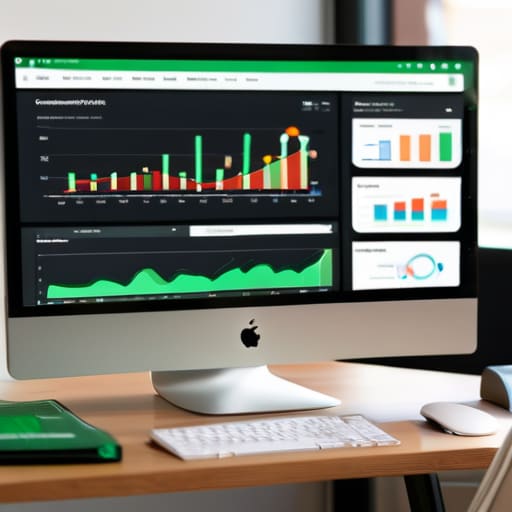
I once sat through a three-hour pitch from a “growth specialist” who tried to sell a boutique law firm a custom-built data dashboard that required a dedicated analyst just to keep the lights on. It was a total scam. They were trying to teach them how to decide what to measure by throwing fifty different metrics at the wall and hoping something stuck. For a business without a marketing department, that isn’t strategy; it’s just expensive noise. If you need a degree in statistics to understand if your last email blast actually worked, the system is broken.
I’m not here to sell you on complex software or “holistic data ecosystems.” My promise is much simpler: I am going to show you how to strip away the fluff and find the three or four numbers that actually move the needle for your bank account. I’ll give you a framework for how to decide what to measure that you can implement in a single afternoon without hiring a single consultant. We are going to focus on clarity over complexity, because if you can’t track it manually before your coffee gets cold, it’s probably not worth your time.
Aligning Metrics With Business Objectives in One Afternoon

Stop trying to build a massive data-driven decision making framework that requires a PhD to interpret. Most small firms I consult for are already drowning in tasks; the last thing you need is a spreadsheet that takes three days to update. Instead, spend your afternoon aligning metrics with business objectives by asking one brutal question: “If this number goes up, does my bank balance actually change?” If the answer is “maybe” or “eventually,” toss it.
Start with your single biggest goal for the quarter—say, increasing repeat bookings. Now, work backward. You don’t need a complex dashboard; you just need to identify the one lever that moves that needle. This is where you start avoiding vanity metrics like social media likes or “website impressions.” Those numbers feel good in a pub quiz, but they don’t pay the rent. If you can’t see a direct line between a metric and a sale, it’s just noise.
Pick two numbers: one for volume (how many people showed up) and one for value (how much they spent). That’s it. If you can’t track both of them in a single afternoon, your system is too complicated for your business.
Identifying Key Performance Indicators That Actually Move the Needle

Stop looking at your social media likes. Unless you are running a social media agency, a spike in engagement is just a digital pat on the back that doesn’t pay the rent. I see small business owners spending hours analyzing “reach” or “impressions” when they should be looking at cash flow or lead quality. This is the trap of avoiding vanity metrics; if a number goes up but your bank balance stays flat, that number is useless to you.
When you are identifying key performance indicators, ask yourself one question: “If this number changes tomorrow, will I actually change how I work?” If the answer is no, scrap it. You don’t need a complex data-driven decision making framework that requires a degree in statistics to interpret. You need a handful of numbers that tell you whether your current tactics are working or if you’re just shouting into a void.
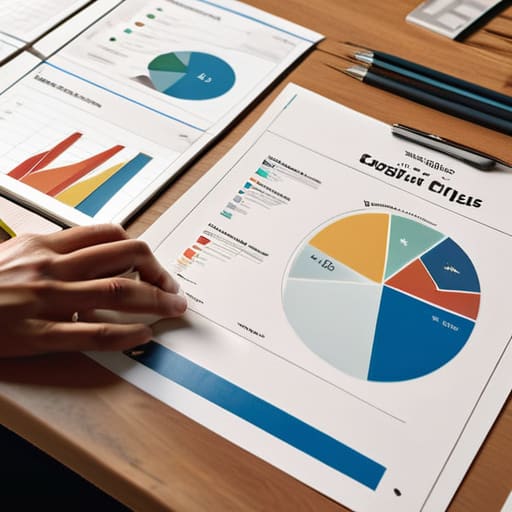
Focus on the tension between quantitative vs qualitative measurement. A spreadsheet might tell you that ten people clicked your link, but a quick, five-minute follow-up call might tell you why they didn’t buy. Real insight comes from combining those hard numbers with the actual conversations you’re having. Keep it simple, keep it relevant, and for heaven’s sake, keep it actionable.
Five Rules to Keep Your Data From Becoming a Full-Time Job
- Stop looking for “insights” and start looking for answers. If you aren’t asking a specific question—like “Did that email actually get anyone to book a call?”—then don’t bother tracking the data. Data without a question is just noise that eats up your Tuesday.
- Use the “One Afternoon Rule.” If setting up the tracking takes more than a few hours of manual work or requires a specialist you haven’t hired, scrap it. If you can’t build the report yourself by 4 PM, it’s too complex for your current setup.
- Ignore vanity metrics. I don’t care about your Instagram likes or how many people “engaged” with a post if your bank balance hasn’t moved. Focus on the numbers that represent a hand reaching for a wallet, not a thumb hitting a screen.
- Pick one source of truth. Don’t try to reconcile Google Analytics, Facebook Insights, and your CRM all at once. Pick the one tool that most closely reflects where your actual money comes from and make that your North Star.
- Automate the collection, but manualize the review. Set your numbers to pull into a simple spreadsheet automatically, but don’t look at them every day. Once a week, spend twenty minutes looking at the trend. If the trend is flat, stop staring at it and go find a new tactic.
The Three-Point Reality Check
If a metric requires a specialized software subscription or a data scientist to interpret, stop tracking it. You need numbers you can pull into a spreadsheet yourself by 3:00 PM.
Stop chasing “vanity” metrics like social media likes or impressions. If a number doesn’t directly correlate to a lead, a sale, or a repeat customer, it is just noise that wastes your time.
Pick no more than three KPIs. Any more than that and you aren’t “monitoring performance,” you’re just staring at a dashboard and feeling busy without actually moving the needle.
Stop Overthinking the Spreadsheet

Look, we’ve covered the ground. You need to align your numbers with what you actually want to achieve, pick the three or four metrics that actually impact your bank balance, and ignore the rest of the noise. If a metric requires a specialized software subscription or a dedicated analyst to interpret it, toss it out. You don’t need a complex dashboard to tell you if your business is breathing; you need a simple list of numbers that you can verify before you close your laptop for the day. Keep it lean, keep it relevant, and for heaven’s sake, keep it manageable.
Most marketing consultants will try to sell you a complicated ecosystem of tracking tools that promise “total visibility” but only deliver a headache. Don’t fall for it. Real growth doesn’t come from staring at a hundred different data points; it comes from taking action on the two or three that actually matter. Stop waiting for the “perfect” data set to arrive before you make a move. Pick your metrics, check them once a week, and then get back to work. Your business needs your energy more than it needs your obsession with a spreadsheet.
Frequently Asked Questions
I already have a spreadsheet of data; how do I know which rows to ignore?
Stop staring at the spreadsheet. If a row of data doesn’t tell you exactly what to do next, it’s noise. I see firms drowning in “vanity metrics”—likes, impressions, or raw traffic—that have zero correlation to their bank balance. If you can’t look at a number and immediately say, “Because this is X, I will do Y,” delete it. If it doesn’t drive a decision you can make by tea time, ignore it.
What if my main goal is "brand awareness" but I can't actually track it without a massive budget?
Stop trying to measure “brand awareness” like a multinational. You don’t have a brand awareness budget, so don’t use brand awareness metrics. If you want to know if people know you exist, look at your direct website traffic or branded search volume. If more people are typing your specific name into Google this month than last month, you’re winning. That’s measurable, it’s free, and you can check it in ten minutes.
How often should I actually be looking at these numbers without it becoming a full-time job?
Stop looking at your data every hour. You aren’t a high-frequency trader; you’re a business owner. If you’re checking stats more than once a week, you’re just procrastinating on actual work. I recommend a thirty-minute “Pulse Check” every Friday afternoon. Review your one or two key metrics, note the direction they’re moving, and close the laptop. If nothing has changed since last week, you haven’t missed anything worth your time.
If I pick one metric and it turns out to be a vanity number, how do I know I've picked the wrong one?
You’ll know you’ve messed up when that number goes up, but your bank balance stays exactly the same. If you’re celebrating a 20% spike in “website impressions” while your sales lead volume is flatlining, you’re chasing a ghost. Vanity metrics feel good, but they don’t pay the bills. If a metric doesn’t have a direct, visible line to cash or customer acquisition, bin it. Stop measuring ego; start measuring impact.