
A Launch Sequence of Five Emails
I’ve lost count of how many times I’ve sat in a meeting with a founder who has been sold a “revolutionary” automated sequence that requires a dedicated specialist just to keep the lights on. They’re told they need complex segmentation, drip automation, and a dozen different touchpoints just to figure out how to run a product launch by email. It’s absolute nonsense. Most of these “enterprise-grade” strategies are just expensive ways to waste time you don’t have. If your launch plan requires a month of prep and a software budget that rivals your rent, you aren’t launching a product; you’re managing a headache.
I’m not here to give you a theoretical lecture or a slide deck full of empty diagrams. My promise is simple: I am going to show you a way to execute a launch that you can actually finish before your Friday afternoon coffee runs out. We are going to strip away the fluff and focus on a high-impact, three-email sequence that moves the needle. This is about practical, direct action that one person can handle in a single afternoon, without needing to hire a single agency.
A Realistic Pre Launch Email Campaign Timeline
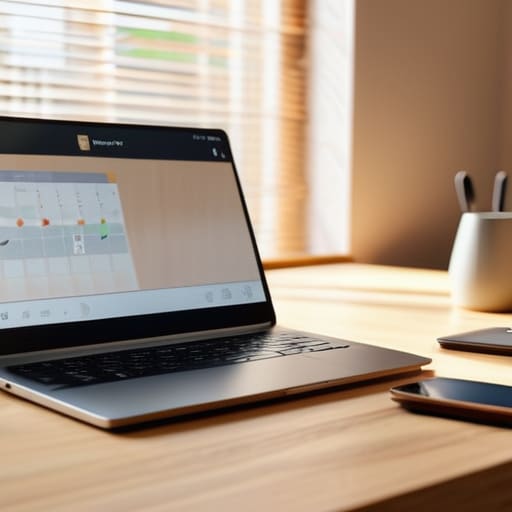
Stop trying to build a six-week campaign that requires a dedicated project manager. You don’t have the bandwidth, and frankly, your customers don’t want a month-long saga. A sensible pre-launch email campaign timeline should live and die within ten working days. Start with a “Teaser” on Day 1 to flag that something is coming. Follow this with a “Deep Dive” on Day 4 that explains the specific problem your product solves, then hit them with the “Launch Day” announcement on Day 7. That’s it.
The biggest mistake I see is people getting bogged down in complex email marketing automation for launches before they’ve even written a single word. You do not need a sophisticated drip sequence that triggers based on every mouse click. Instead, focus on writing three solid, high-impact emails that you can draft in one sitting. If you can’t write the entire sequence in two hours, you’re over-engineering the process.
Once you’ve hit send, don’t go chasing vanity metrics. Ignore the open rates for a second and look at the clicks. My rule is simple: if the click-through rate doesn’t move the needle, your copy was too fluffy. Keep your segments tight—only email the people who actually care about this specific update—and get back to running your business.
Building Hype Through Email Sequences Without the Burnout

Stop trying to write a five-act play. Most consultants will tell you that you need a complex web of drip campaigns to keep people interested, but that is a fast track to burnout. If you are a team of one, you don’t have time to manage a dozen different logic branches. Instead, focus on building hype through email sequences that actually feel human. I want three to four high-impact emails: a “something is coming” teaser, a “here is the problem we are solving” deep dive, and the “it is live” announcement. That is it. Anything more than that and you aren’t marketing; you’re just cluttering up your customers’ inboxes.
Don’t get bogged down in complex email marketing automation for launches either. You don’t need a sophisticated software suite to trigger a dozen different behaviors. Just set up your sequence, write the copy once, and ensure the links work. If you want to get slightly more tactical, use basic email segmentation for product launches by separating your most active customers from the window shoppers. It takes twenty minutes to tag a list, but it keeps your messaging relevant. Keep the copy punchy, keep the offer clear, and for heaven’s sake, don’t over-engineer the process.
Five ways to launch without losing your mind
- Stop writing “newsletters.” Write one subject line that actually says what is happening, one paragraph explaining why it matters to the reader, and one clear button. If you spend more than twenty minutes drafting an email, you’re overthinking it.
- Segment your list by behavior, not by demographics. Don’t bother with a massive survey; just look at who opened your last three emails. Send your best offer to them first. It takes ten minutes to filter a list, and it’s ten times more effective than a generic blast.
- Use a “Plain Text” approach for your final push. High-gloss, HTML-heavy templates look like ads and get ignored. A simple, text-only email that looks like it came from your personal inbox will get a much higher click rate when the launch actually goes live.
- Set up one single automated “Oops, you missed it” email. Write it once, set it to trigger 24 hours after your launch window closes, and forget about it. This captures the procrastinators without you having to manually check your sales dashboard every hour.
- Limit your frequency to three key touchpoints. One teaser, one announcement, one final call. Anything more than that and you aren’t “building hype,” you’re just becoming the person people unsubscribe from to clear their inbox.
The Bottom Line
Stop building complex automation workflows that require a degree to fix; write three decent emails, schedule them, and move on.
If your launch plan requires more than two hours of setup, you aren’t launching a product, you’re starting a second job.
Focus on the numbers that actually matter—clicks and sales—not “engagement metrics” that don’t pay the bills.
Stop Overthinking and Start Sending

Look, we’ve covered the ground. You don’t need a complex automation suite or a six-month lead time to make this work. You just need a sensible timeline, a few well-timed sequences that don’t feel like spam, and the discipline to stick to the plan. Remember: your goal isn’t to build a massive, multi-layered machine; it’s to inform your existing list that something useful is arriving. If you can draft your sequence, schedule your sends, and test your links in a single afternoon, you have done enough. Done is better than perfect, especially when you’re the one doing the writing, the sending, and the selling.
Most small business owners fail at launches because they try to act like a multinational corporation with a dedicated creative agency. Stop trying to win an award for “most innovative email campaign” and just focus on being clear and helpful to the people who already trust you. You have a product that solves a problem, and you have a list of people who need it. That is the only math that matters. Now, close the dozen browser tabs you have open, pick a launch date, and just hit send.
Frequently Asked Questions
How many emails are actually too many before I start annoying my list?
If you’re sending more than three emails a week, you’re probably just shouting into the void. For a standard launch, I aim for a five-email sequence spread over ten days. That’s enough to build momentum without making people hit “unsubscribe” out of spite. If you feel the urge to send a sixth, ask yourself: “Can I write this, format it, and schedule it in under an hour?” If not, skip it. Your list isn’t a captive audience; they’re busy people.
Do I really need a fancy email tool, or can I just use what I'm already paying for?
Stop paying for features you won’t use. If you’re already paying for Mailchimp, ConvertKit, or even a decent CRM, stick with it. You don’t need a $200-a-month enterprise stack to send five emails to a list of 500 people. The biggest mistake I see is small firms wasting three weeks learning a complex new tool instead of actually writing copy. If your current tool sends a clean email and tracks opens, it’s enough. Move on.
What do I do if nobody opens the first "teaser" email?
Don’t panic, and for heaven’s sake, don’t rewrite your entire strategy. If the teaser flopped, your subject line was either boring or looked like spam. Fix the hook, not the product. Resend that exact same email three days later to everyone who didn’t open it, but change the subject line to something more urgent. If that fails, your list is stale. Stop chasing ghosts and spend that afternoon cleaning your contact list instead.
How much time should I realistically spend writing these versus actually working on the product?
Stop treating your email copy like a novel. If you spend more than two hours drafting your sequence, you’re procrastinating. You need enough words to be clear, not clever. Spend one focused afternoon writing the entire sequence, then get back to the product. Your customers care about what the product does, not your prose. If the email doesn’t explain the value in three paragraphs, you’ve already spent too much time on it.
