
Subject Lines Tested Against Each Other
If I see one more “guru” telling you that you need an AI-driven A/B testing suite and a six-week data analysis period just to figure out how to write a subject line, I’m going to scream. It is absolute nonsense. Most small businesses don’t have a dedicated data scientist sitting in the corner; they have a founder who is currently trying to run a meeting, pack a lunch, and ship an order all at once. You don’t need a complex psychological framework to get someone to click; you just need to stop writing like a corporate robot and start writing like a person.
I’m not here to sell you a complicated funnel or a subscription to a tool you’ll never use. Instead, I’m giving you the exact, stripped-back methods I’ve used for eleven years to get results without wasting a single afternoon. My promise is simple: I will show you how to craft high-performing headers using nothing but your own brain and a bit of common sense. We are going to focus on practical, repeatable tactics that you can implement before your coffee gets cold.
Mastering Effective Copywriting Techniques in Minutes

Stop trying to write a masterpiece. Most small business owners treat an email like they’re drafting a legal brief, and that’s exactly why they stall. To use effective copywriting techniques without wasting your entire Tuesday, you need to embrace the “one-breath rule”: if you can’t read your line out loud in a single breath, it’s too long. Trim the fluff. If a word isn’t doing heavy lifting, kill it. Your goal isn’t to be Shakespeare; it’s to be clear enough to be understood while someone is scrolling through their inbox on a crowded train.
Don’t get bogged down in the complex psychology of click-through rates or academic theories. Just focus on one specific tension point: curiosity or utility. Give them a reason to care, or give them a solution to a problem they had ten minutes ago. If you spend more than fifteen minutes debating whether to use an emoji or a period, you’ve already lost the battle. Pick a direction, keep the tone human, and hit send. The data will tell you if it worked; your perfectionism won’t.
The Subject Line Character Count Sweet Spot
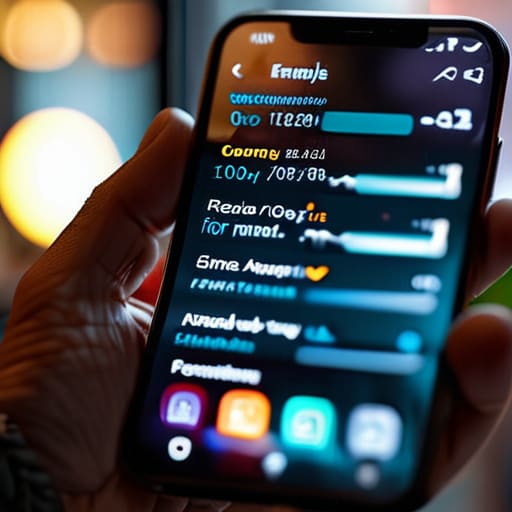
Stop trying to write a novel. Most people think they need a poetic, sweeping epic to get attention, but the reality of mobile browsing is much harsher. If your text is too long, the recipient’s phone will simply chop it off with an ugly ellipsis. I’ve seen too many small business owners waste twenty minutes crafting a masterpiece only to realize the actual hook is hidden behind a “…” on a smartphone screen. For real email open rates optimization, you need to aim for the sweet spot: roughly 40 to 50 characters.
I want you to think of this as a constraint, not a chore. When you keep your subject line character count tight, you force yourself to get to the point immediately. If you can’t communicate the value of your email in six or seven words, you probably don’t actually know what the value is yet. Don’t get bogged down in the psychology of click-through rates or complex data modeling; just ensure the most important word—the one that actually makes them care—is visible before the cut-off. If you can’t fit your main idea into a single glance, rewrite it. Now, move on to the next task.
5 Subject Line Shortcuts for People with Actual Jobs
- Stop trying to be clever. If you spend forty minutes trying to craft a “witty” pun, you’ve already lost the battle. Just tell them exactly what is inside the email. “Your invoice is ready” works better than “A little something for your consideration” every single time.
- Use their name, but don’t be a creep. Adding a first name is fine, but don’t make it the entire subject line. “Hey Sarah, quick question” is a human interaction; “Hey Sarah” followed by a sales pitch is spam.
- Create a sense of “now” without the fake urgency. Avoid the “ACT NOW OR LOSE OUT” shouting. Instead, use specific time constraints like “Closing at 5pm” or “Last chance for Monday’s delivery.” It’s factual, not frantic.
- Ask a question that actually requires an answer. Instead of “Our new service is live,” try “Do you still struggle with [Problem]?” It forces their brain to pause for a microsecond to answer, which is exactly what you want.
- The “One Person, One Afternoon” Rule: Write three versions, pick the one that sounds most like how you’d speak to a client over coffee, and hit send. If you’re still staring at the screen after ten minutes, you’re overthinking it. Move on.
The Bottom Line
Stop aiming for perfection; if the subject line is clear and sounds like a human wrote it, hit send and get back to work.
Keep it under 40 characters so your message doesn’t get cut off on a smartphone screen.
Test one thing at a time—change a word or a punctuation mark—rather than rewriting the whole email.
Stop Overthinking and Start Sending

Look, we’ve covered the essentials: keep your copy punchy, stick to that character count sweet spot so your text doesn’t get cut off on a mobile screen, and stop trying to sound like a corporate brochure. You don’t need a six-week brand audit or a massive agency budget to get this right. If you can apply these tweaks to your next five emails in under an hour, you’re already ahead of most of your competitors. The goal isn’t perfection; it’s getting the email opened so you can actually get to work. Remember, simplicity wins every single time when you’re running a lean operation.
At the end of the day, your customers are real people, not data points in a complex marketing funnel. They respond to clarity and authenticity, not polished nonsense. Don’t let the fear of a “bad” subject line paralyze you into sending nothing at all. Pick a direction, hit send, and look at the numbers to see what actually worked. If it fails, tweak it and move on. You have a business to run, and momentum is more valuable than a perfect open rate. Now, stop reading my blog and go write those subject lines.
Frequently Asked Questions
Should I use emojis to stand out, or does that just look unprofessional?
Use them, but don’t get cute. One emoji is a visual cue; five emojis is a cry for help. If you’re a law firm, skip them. If you’re a boutique coffee roaster, go for it. The goal isn’t to look “fun”—it’s to break the visual monotony of a crowded inbox. Pick one relevant icon, place it at the end, and get back to your actual work. Don’t spend an hour debating a smiley face.
How much time should I actually spend testing different versions before I just hit send?
If you’re spending more than twenty minutes debating between two subject lines, you’re wasting billable hours. Stop. Unless you have a massive mailing list of 10,000+ people, A/B testing is a trap that leads to analysis paralysis. Pick the one that sounds most like a human wrote it, hit send, and move on to something that actually moves the needle. Perfection is the enemy of a finished to-do list.
Is it worth using my customer's name in the subject line, or is that too creepy?
It’s not creepy, but it is often a waste of time. If you’re spending twenty minutes setting up a personalization tag just to see a 0.5% bump in open rates, stop. You have actual work to do. Use their name if it feels natural—like in a follow-up—but don’t force it into every single blast. A punchy, relevant subject line beats a “Hey [Name]!” every single day. Keep it human, not robotic.
What do I do if my subject line is perfect but my open rates are still tanking?
If your subject line is solid but nobody is clicking, stop looking at your words and start looking at your timing. You’re likely hitting their inbox when they’re buried in meetings or sleeping. Check your data: when do your specific customers actually engage? If you’re sending everything at 9:00 AM on a Monday, you’re just adding to the noise. Shift the send time by a few hours. It takes ten minutes to reschedule.
